
T: +86-137-0128-0809
E: sales@skyairdome.com
E: sales@skyairdome.com
UNIT 1406B, 14/F, THE BELGIAN BANK BUILDING, NOS. 721 - 725 NATHAN ROAD, KOWLOON, HONG KONG

Views: 0 Author: Site Editor Publish Time: 2026-04-20 Origin: Site


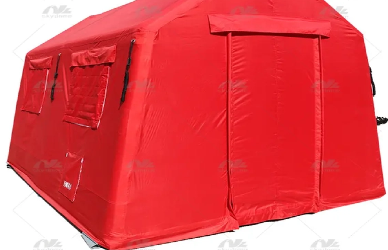
In disaster scenarios, the need for quick, effective medical facilities is essential to address the urgent healthcare needs of affected populations. Traditional hospitals may be overwhelmed, damaged, or inaccessible, and in such cases, medical tents provide a vital solution. These portable, flexible structures can be set up quickly, often within hours, offering a crucial lifeline in times of crisis. Medical tents are designed to deliver immediate care in remote or disaster-stricken areas, serving as temporary field hospitals, triage centers, or isolation units. Their key benefits lie in their flexibility and portability: they can be tailored to meet the specific needs of the situation and deployed rapidly, ensuring that medical care reaches those in need without delay. Whether it's for trauma care, disease containment, or surgical procedures, medical tents enable responders to act quickly, providing life-saving treatment in the most challenging environments.
The first critical step in setting up medical tents for disaster relief operations is thorough pre-deployment planning. The location where the medical tent will be set up plays a vital role in ensuring its effectiveness. Consider the accessibility of the site—ensuring that emergency vehicles and medical staff can reach the location with ease. Terrain is another key factor, as the area must be stable enough to support the structure and avoid any hazards like flooding or uneven ground. Additionally, the proximity to affected areas is crucial to ensure that the tent is within reach of those in need of immediate medical care.
Alongside the location, it's important to identify the space requirements for different healthcare services within the tent. This includes allocating areas for triage, patient care, pharmacy services, and any other specific medical needs based on the disaster type. This will help in designing a layout that maximizes the efficiency of medical operations and ensures a smooth flow of patients and medical staff.
Once the location is selected, site preparation is the next step. The area must be cleared of debris, rocks, or any other obstacles that might obstruct the setup. Ensuring a safe, stable foundation is crucial to prevent any accidents or structural issues once the tent is in use. The ground should also be level to ensure that equipment is positioned properly.
In addition, ensuring access to water, electricity, and sanitation facilities is essential for the tent's operation. A nearby water source is necessary for hygiene and medical procedures, while access to electricity is crucial for powering medical equipment, lighting, and any other devices needed for care. Sanitation facilities, such as portable toilets and waste disposal systems, should also be nearby to maintain health and safety standards.
Assembling the medical tent requires careful attention to detail. For inflatable tents, follow step-by-step instructions for inflating the tent. Ensure that the air pressure is properly maintained and the tent is securely fastened. For frame-based tents, assemble the framework and ensure that all components fit securely together. Once the frame is in place, secure the tent against adverse weather conditions, such as strong winds or rain, by anchoring it firmly to the ground and adding additional supports if necessary.
With the tent assembled, the next step is setting up the medical equipment. This includes arranging beds, medical supplies, and any other necessary equipment for patient care. It's important to ensure that each area—whether for triage, surgery, or recovery—has the right equipment and is easily accessible for medical staff.
Establishing power and water sources is equally important. Power is needed to run essential equipment such as lighting, medical devices, and communication tools, while water is necessary for hygiene and medical purposes. Be sure to set up a backup power system, such as a generator, in case of power outages.
To ensure that the medical tent operates efficiently, training for responders is crucial. Personnel should be trained in basic setup and maintenance of the tent, ensuring they understand how to assemble, disassemble, and troubleshoot common issues. Additionally, responders should be familiar with how to manage the space within the tent, maintain cleanliness, and handle medical emergencies efficiently. Regular drills and training ensure that personnel are prepared to respond quickly and effectively when the tent is deployed in an emergency.
Regular inspections are crucial to maintaining medical tents during disaster relief operations. For inflatable tents, check for leaks and ensure air pressure is optimal. This can be done by monitoring air pressure gauges and conducting visual inspections for deflation or weak spots. For frame-based tents, inspect the fabric for tears, holes, or signs of wear, and check seams and structural supports for damage. Early detection of small issues helps prevent larger problems.
Maintaining cleanliness inside and outside the tent is vital for preventing infections. Regularly clean high-touch surfaces and equipment that may contact bodily fluids. Set up a cleaning schedule to disinfect surfaces daily or after each use. Proper waste management is essential—dispose of medical waste and used supplies according to guidelines to avoid contamination. Ensure waste disposal systems are easily accessible and safely managed.
Medical tents are exposed to harsh weather conditions, so they must be reinforced. Check anchor points and add extra supports, such as guy lines or stakes, to withstand heavy winds and storms. Ensure the fabric is waterproof and seams are sealed to prevent leaks during rain. Consider using UV-resistant coatings to protect the tent from sun damage. Ensure proper ventilation and drainage to prevent mold growth, especially in humid conditions.
After the tent’s mission, proper breakdown and storage are essential for its longevity. Disassemble carefully to avoid damage, following manufacturer instructions. Clean and sanitize all equipment before storage to prevent contamination. Inspect for damage during disassembly, making necessary repairs. Store the tent in a dry, cool environment, away from direct sunlight, and keep it off the ground to prevent moisture and pest damage. Proper storage ensures the tent is ready for future use.
Weather conditions significantly affect the durability and performance of medical tents. In hot climates, extreme temperatures can cause fabric damage, while in cold or wet areas, tents may experience issues like frozen pipes or mold growth. Additionally, heavy winds or storms can damage tents if not properly secured. To address these challenges, weather-resistant materials and reinforced structures are essential, along with regular inspections and maintenance tailored to the climate conditions.
Time constraints often make it difficult to set up medical tents in disaster situations. Tents must be deployed quickly, but this can lead to compromised infrastructure or improper placement of equipment. Rushed setups may hinder effective medical care. Pre-arranged rapid deployment plans, training, and essential pre-packaged kits are key to overcoming this challenge and ensuring that medical tents are functional from the start.
Transporting and handling medical tents in remote or difficult-to-reach areas presents logistical challenges. Limited infrastructure, rough terrain, or airlifting requirements can delay deployment. Once on-site, setting up tents in unstable environments requires additional effort. Having contingency plans, adaptable equipment, and reliable power and water systems are essential to ensure smooth deployment in challenging areas.
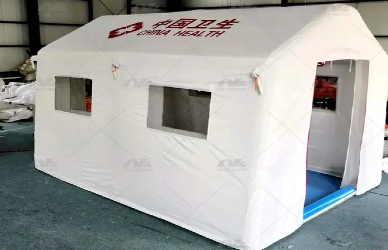
In cold environments, medical tents must be equipped to withstand freezing conditions. Insulation is essential to maintain a stable internal temperature and prevent freezing of medical supplies and equipment. Tents should be made from reinforced materials that can handle harsh weather, ensuring durability and safety. Adding heated flooring or internal heating systems helps maintain a comfortable temperature. Features like double-walled fabric or thermal liners further enhance insulation and minimize heat loss.
In hot and humid climates, managing ventilation and air circulation is key to maintaining comfort and safety inside the tent. Tents should have roof vents or side mesh panels to improve airflow and reduce humidity. Air conditioning or cooling units may be necessary to regulate the temperature. To protect patients and staff from heat, heat-reflective materials and adequate shading should be used to minimize sun exposure. Additionally, moisture control is crucial to prevent mold growth and maintain a clean environment.
Medical tents play a vital role in disaster relief efforts, working alongside field hospitals, mobile clinics, and first responders. These tents offer immediate, flexible care spaces where patients can be treated before being transferred to more permanent facilities. Positioned near triage centers or mobile clinics, they ensure smooth patient flow and rapid medical intervention. By collaborating with these units, medical tents improve the efficiency of disaster response, providing critical care in the initial hours following a disaster.
Effective supply chain coordination is essential for the smooth operation of medical tents in disaster relief. Reliable supplies of medical equipment, medications, food, and water are crucial to maintaining operations. Delays or disruptions can hinder care delivery. Coordinating logistics to ensure timely arrival and proper storage of supplies, especially in remote areas, is vital for sustaining medical care during prolonged relief operations. This includes managing transportation and distribution to meet the needs of both patients and medical teams.
The first step is pre-deployment planning, which includes selecting an appropriate location for accessibility, stability, and proximity to affected areas.
Reinforce the tent with guy lines, anchors, and additional supports to withstand heavy winds, rain, and other weather challenges.
Regularly inspect the tent for leaks or damage, clean it thoroughly, and check its structural components to ensure its functionality remains intact.
Yes, but they require special reinforcement for wind, rain, and temperature extremes. Ensure proper weatherproofing and use durable materials for the best performance.
In disaster relief efforts, Sky Dome Co., Ltd.’s medical tents play a crucial role alongside other emergency units such as field hospitals, mobile clinics, and first responders. These tents provide immediate, flexible care spaces where medical teams can offer treatment before patients are transferred to more permanent facilities. Strategically placed near triage centers and field hospitals, Sky Dome’s medical tents ensure seamless patient flow and rapid medical intervention in the first critical hours after a disaster. Moreover, effective supply chain coordination is essential for the tents’ smooth operation. Ensuring reliable supplies of medical equipment, medications, food, and water is critical to supporting the ongoing relief effort. Any delays or disruptions in these supply chains can significantly hinder medical operations. Sky Dome’s efficient logistical coordination ensures timely delivery and proper storage of supplies, enabling disaster response teams to maintain a high standard of care in even the most remote or difficult-to-reach areas.


