
T: +86-137-0129-0877
E: sales@skyairdome.com
E: sales@skyairdome.com
UNIT 1406B, 14/F, THE BELGIAN BANK BUILDING, NOS. 721 - 725 NATHAN ROAD, KOWLOON, HONG KONG

Views: 0 Author: Site Editor Publish Time: 2026-04-20 Origin: Site


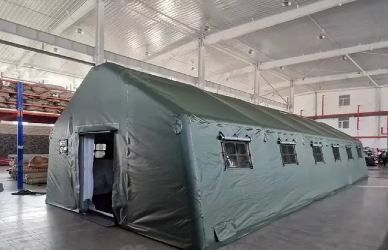
Military inflatable tents are essential tools for a wide range of applications, from field operations and emergency medical care to disaster relief. Due to their pivotal role in ensuring operational success, it’s crucial to maintain these tents properly to extend their lifespan and ensure they remain effective when deployed in extreme conditions. In this article, we’ll discuss key maintenance tips for military inflatable tents, including cleaning, storage, inspection, and handling common issues. By following these guidelines, you can ensure that your inflatable tent performs reliably for many years.
Proper cleaning is one of the most important aspects of maintaining a military inflatable tent. Cleaning the tent after each use, especially in harsh environments, prevents dirt, debris, and moisture from causing long-term damage to the fabric. Cleaning also helps to remove substances like salts, chemicals, and oils that may degrade the material over time.
The first step is to inspect the tent for any visible dirt or debris. Use a soft brush to remove loose particles from the surface of the tent, then wipe down the fabric with a damp cloth. For more stubborn stains or dirt, you may need to use a mild soap solution with water. Avoid harsh chemicals or abrasives, as these can damage the fabric. After cleaning, it’s crucial to let the tent dry completely before folding it up for storage. This helps to prevent mold or mildew growth, which can weaken the fabric and reduce its lifespan.
Routine inspection is essential to identify wear and tear before it becomes a bigger issue. The tent’s fabric should be checked for any holes, tears, or weak spots. The seams and joints, which are often under pressure, should also be examined for signs of splitting or fraying. Punctures in the fabric or air beams should be fixed immediately, as they can impact the tent’s stability and insulation properties.
It’s also essential to inspect the inflation system, including the air pump and valves. Make sure the air pump is working efficiently and that the valves are not clogged or damaged. If there are any issues, they should be addressed before the next use.
Proper storage is another vital aspect of maintaining a military inflatable tent. After each use, ensure the tent is thoroughly cleaned, dried, and stored in a cool, dry place. Storing the tent in a damp or humid environment can encourage mold and mildew growth, which can weaken the fabric and air beams. If the tent needs to be stored outdoors, use a protective cover to shield it from the elements, particularly UV rays, which can degrade the fabric over time.
Cleaning your military inflatable tent is straightforward but requires attention to detail. Follow these steps to ensure thorough cleaning:
Remove debris: Use a soft brush to remove dirt, sand, or other loose debris from the tent’s surface.
Wipe with a damp cloth: Use a microfiber cloth dampened with water to wipe down the tent. Avoid soaking the fabric, as too much water can penetrate the seams.
Mild soap solution: For tough stains, mix a small amount of mild soap with water and apply it gently with a sponge or cloth. Rinse the soap off with clean water.
Dry thoroughly: After cleaning, allow the tent to dry completely before folding or storing it. This is especially important to prevent mold or mildew growth.
The inflation system is the backbone of military inflatable tents. Proper maintenance ensures efficient setup and prevents damage to the air beams or inflation components. To maintain the inflation system:
Check the air pump: Inspect the pump regularly to ensure that it is functioning properly. If the pump is electric, make sure the power cord and plug are intact. For manual pumps, check that the mechanism operates smoothly.
Inspect the valves: Ensure the inflation valves are free from dirt, debris, or damage. Clean the valves with a dry cloth and ensure they seal correctly when inflated.
Check for leaks: Inflate the tent and check for any loss of air. If you notice any leaks, mark the area for repair. Leaks can occur in the air beams or the tent fabric itself, and timely repairs are crucial for the tent’s longevity.
Military inflatable tents endure a significant amount of stress, especially at the seams and joints. To care for the fabric and seams:
Reinforce weak seams: If any seams show signs of wear or fraying, reinforce them with a strong adhesive seam tape or by sewing a patch. This prevents the tent from tearing further.
Treat fabric: Use fabric protectants that are specifically designed for waterproof, UV-resistant tents. This will help maintain the material’s resistance to sun damage and water penetration.
Patch minor holes: For minor punctures or cuts, use a tent repair kit to patch them up quickly. Ensure that any adhesive used is compatible with the tent’s fabric.
Leaks and punctures are common in inflatable tents, but they can be easily repaired. Here’s how to spot and fix them:
Spot leaks: Inflate the tent and listen for hissing sounds. Alternatively, you can apply soapy water to suspected areas and look for bubbles.
Fix small punctures: Use a patch kit that matches the fabric of the tent. Apply the patch to the punctured area and ensure a secure bond. For larger holes, consider professional repair services.
Air beam leaks: If the air beams are leaking, check the valve for damage and replace it if needed. Be sure to follow the manufacturer’s instructions when sealing leaks in the beams.
If the tent isn’t holding air properly, check the following:
Inflation system: Ensure the air pump is working properly and that all valves are sealing correctly.
Fabric and seams: Check for any holes or seams that may have opened up, causing air loss. Repair as necessary.
To protect the tent from long-term weather damage:
Use UV-resistant coatings: UV exposure can weaken the fabric. Apply UV-resistant coatings to protect the tent from the sun.
Cover the tent when not in use: Store the tent in a shaded area to minimize UV damage. Use a protective cover for storage if possible.
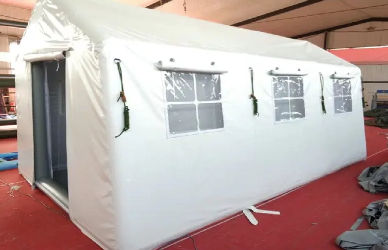
Before and after use in extreme weather conditions, perform the following:
Winter: Make sure to remove all snow and ice from the tent to prevent damage to the fabric and air beams. Clean and dry the tent thoroughly before storage.
Summer: Ensure the tent is well-ventilated to avoid heat buildup inside. Check for any UV damage and treat it with UV protectant.
For long-term storage, follow these tips:
Dry the tent thoroughly: Ensure the tent is completely dry to prevent mold growth.
Store in a cool, dry place: Avoid storing the tent in direct sunlight or in a damp environment.
Check periodically: If stored for extended periods, periodically check the tent for any signs of wear, pests, or moisture.
For complex repairs or if the tent experiences significant wear and tear, it may be necessary to seek professional maintenance services. Many manufacturers offer repair and maintenance services, including the replacement of air beams, valves, and fabric sections. When in doubt, consult the manufacturer’s guidelines or an authorized repair center to ensure the longevity of your inflatable tent.
lean your tent after every use, especially if it’s exposed to harsh conditions like dust, rain, or chemicals. Regular cleaning prevents material degradation, mold growth, and extends the lifespan of the tent. Pay special attention to any areas where dirt or debris may accumulate, and ensure the tent is completely dry before storage to prevent mildew.
It's best to store the tent in a cool, dry place, away from humidity or moisture. If you must store it outside, ensure it is protected by a durable cover and placed in a shaded location to avoid prolonged exposure to direct sunlight. UV rays can weaken the fabric over time, so keeping it shaded when not in use is crucial to preserving its integrity.
Use a patch kit specifically designed for inflatable tents to seal small punctures. Apply the patch as directed, ensuring a secure bond to prevent air leaks and further damage. If the puncture is located on the air beams or seams, be sure to reinforce the area properly to maintain the structural integrity of the tent. Regularly inspect your tent for any signs of wear.
Use UV-resistant coatings to protect the fabric from prolonged sun exposure, which can degrade the material over time. Store the tent in a shaded area when not in use, and avoid leaving it out in direct sunlight for extended periods. Additionally, consider using a protective cover when storing it for longer durations, which can further shield the tent from UV damage and prolong its lifespan.
Maintaining your military inflatable tent is essential for ensuring its performance and longevity, especially in demanding operational environments. Regular cleaning, inspection, and care of the inflation system, seams, and fabric will help you extend the lifespan of your tent and keep it in top condition. Companies like Sky Dome Co., Ltd. provide high-quality inflatable tents designed for extreme conditions and rapid deployment. By following these maintenance tips, you can ensure that your military inflatable tent remains a reliable asset for years to come, offering flexibility, durability, and dependable protection in the field.


