
T: +86-137-0128-0809
E: sales@skyairdome.com
E: sales@skyairdome.com
UNIT 1406B, 14/F, THE BELGIAN BANK BUILDING, NOS. 721 - 725 NATHAN ROAD, KOWLOON, HONG KONG

Views: 0 Author: Site Editor Publish Time: 2026-04-27 Origin: Site


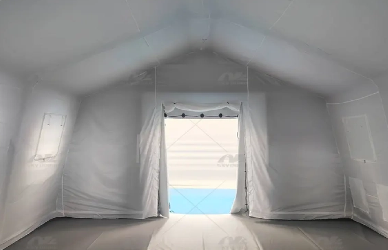
Medical tents are essential in providing effective healthcare during emergency response situations, such as disasters, mass casualty events, or large-scale public health emergencies. These tents serve as temporary medical facilities where first aid, triage, and patient care are provided in a controlled environment. However, the effectiveness of a medical tent is heavily dependent on selecting the right type of tent that meets the operational and environmental needs of the emergency response. In this comprehensive guide, we will explore the key considerations when choosing medical tents, including size, material, weather resistance, compliance standards, and integration with emergency services.
When selecting a medical tent for emergency use, several important factors need to be taken into account to ensure the tent is capable of meeting the demands of the situation. The following sections highlight the most critical factors that must be considered.
Choosing the correct size and capacity for a medical tent is essential to ensure that it can accommodate both medical staff and patients comfortably while allowing for proper medical procedures. The size of the tent will depend on the number of patients to be treated and the medical equipment that needs to be stored and accessed.
Medical tents used in large-scale emergencies should be spacious enough to accommodate a triage area, multiple treatment stations, recovery areas, and sufficient storage for medical supplies. A typical medical tent should have enough room for stretchers, chairs, and other necessary medical equipment. Additionally, ventilation and access to electrical systems (e.g., for lights and medical devices) are important considerations that require adequate space.
Factor | Considerations | Impact on Medical Care |
Tent Size | Number of patients, medical staff, equipment | Determines available space for triage, treatment, and recovery areas. |
Patient Capacity | The volume of injuries expected during an emergency | Larger tents can handle multiple patients simultaneously, improving care efficiency. |
Space for Medical Equipment | Accessibility and storage of medical supplies (e.g., IV bags, oxygen tanks) | Ensures quick access to essential medical tools. |
The material of a medical tent is one of the most important factors in determining its durability, weather resistance, and safety. Tents made from materials like PVC (Polyvinyl Chloride) or PVDF (Polyvinylidene Fluoride) offer strength and resilience against the elements. These materials are waterproof, UV-resistant, and abrasion-resistant, making them ideal for use in harsh conditions.
Medical tents must also be constructed to withstand high winds, heavy rain, and extreme temperatures. Flame-retardant fabrics are crucial to meeting fire safety standards, ensuring that the tents do not pose an additional risk during emergencies. Additionally, the frame of the tent must be made of durable materials like steel or aluminum to provide stability and prevent structural failure in adverse weather.
Material Type | Properties | Applications |
PVC | Waterproof, UV-resistant, durable | Ideal for long-term outdoor use and tropical climates |
PVDF | Superior UV resistance, durable | Suitable for high heat environments and outdoor use |
Flame-Retardant Fabric | Fire-resistant, prevents spreading of fire | Essential for disaster zones or high-risk environments |
Medical tents must be equipped to endure various weather conditions, as they are often deployed in areas where extreme weather can occur. Whether it’s tropical storms, heavy snowfall, or extreme heat, the tent must be able to provide a safe, stable environment for medical staff and patients.
Waterproof fabrics prevent rainwater from entering the tent, ensuring that medical supplies and equipment stay dry and functional. Wind-resistant structures are also necessary to avoid tent collapse or displacement during high winds. Some medical tents are designed to be insulated to provide warmth in cold conditions, while ventilation systems, such as roof vents and side mesh panels, help regulate the internal temperature during hot weather. These features ensure that the tent provides a comfortable and secure environment for treatment and recovery.
Weather Feature | Description | Impact on Medical Operations |
Waterproof | Prevents rain from entering the tent and damaging equipment | Protects medical supplies and ensures dry working conditions. |
Wind Resistance | Tent design and anchoring to resist high winds | Prevents tent collapse, ensuring safety and continuity of care. |
Ventilation | Airflow through vents or mesh panels | Regulates temperature and prevents moisture buildup. |
In emergency response situations, the ability to quickly set up and relocate medical tents is critical. Tents should be modular, allowing for easy transportation, rapid deployment, and flexibility in relocating as the situation evolves. Inflatable tents or those with pop-up frames are particularly suited for rapid response, as they can be inflated or assembled in a matter of hours, providing immediate medical care on-site.
Modular designs allow for easy expansion or reconfiguration of the tent to accommodate changing needs. Transportability is key, and medical tents should be lightweight, foldable, or designed for quick disassembly for relocation.
Feature | Description | Benefits |
Rapid Setup | Quick deployment options such as inflatable or pop-up tents | Minimizes setup time, ensuring immediate access to medical care. |
Mobility | Easy transportation, compact design for easy relocation | Allows flexible positioning during ongoing emergencies. |
Temperature and air quality control inside the medical tent are essential, especially when treating large numbers of patients or working under extended conditions. Proper ventilation ensures adequate airflow, reduces the buildup of harmful heat, and prevents moisture accumulation that could lead to mold or mildew growth. In hot climates, cooling systems like portable air conditioners or fans are necessary to keep the tent comfortable. In colder environments, tents must be equipped with heating systems to prevent freezing conditions that could harm patients or equipment.
When choosing a medical tent for emergency response, compliance with healthcare standards and emergency service regulations is a must. Medical tents should meet NFPA (National Fire Protection Association) standards, including NFPA 701 for flame resistance and NFPA 99 for healthcare electrical and gas systems. Additionally, compliance with local regulations regarding waste disposal, water quality, and air quality ensures the safety and effectiveness of the tent in providing medical care.
Regulation | Description | Compliance Details |
NFPA 701 | Fire-retardant fabric standards | Ensures flame-resistant materials for safety in emergency scenarios. |
NFPA 99 | Healthcare electrical systems standard | Ensures proper setup of electrical systems for medical equipment. |
Local Environmental Regulations | Waste disposal, water quality, and air quality standards | Ensures safe healthcare operations without environmental contamination. |
Selecting the optimal location for medical tents is crucial for efficient emergency response. Medical tents should be placed in high-traffic areas where they are easily accessible to emergency responders and patients. They should also be situated in safe zones, away from hazards such as falling debris, flood zones, or heavy traffic areas. The location should allow easy transportation of patients to and from the tents and provide direct access to other emergency response units.
Medical tents must work seamlessly with other emergency services, such as fire departments, ambulance teams, and police. A medical tent should be positioned to provide easy access for medical personnel and quick transport to hospitals or emergency care facilities. Effective communication systems and coordination are key to ensuring that the medical team can respond quickly to evolving situations.
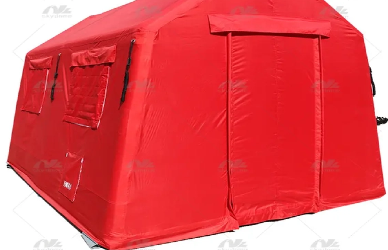
Modern medical tents are now equipped with mobile medical equipment to enhance their ability to provide immediate care. This includes telemedicine systems, mobile diagnostic equipment (e.g., ultrasound, ECG monitors), and portable treatment tools. These technologies allow medical teams to remotely consult specialists, conduct diagnostic tests, and provide advanced treatment in real-time.
Effective communication is critical for managing large-scale medical operations during an emergency. Medical tents should be equipped with real-time communication systems such as two-way radios, mobile apps, and data sharing platforms. These systems enable rapid sharing of patient data, injury reports, and treatment updates, allowing for coordinated care across various response teams.
The size of the tent should depend on the number of patients expected, the type of care needed, and the available space for medical equipment. Larger tents are necessary for high-volume events, allowing for triage areas, treatment stations, and recovery zones.
Medical tents are made from durable materials like PVC and PVDF, which provide waterproof, wind-resistant, and UV-protective features. These materials ensure that the tent remains functional in challenging weather conditions, including heavy rain, snow, or strong winds.
Compliance ensures that the medical tents meet essential safety, sanitation, and healthcare standards, such as NFPA 701 for fire safety and NFPA 99 for electrical systems, guaranteeing safe and effective care during emergencies.
Yes, modern medical tents are equipped with mobile diagnostic tools, telemedicine capabilities, and portable treatment devices, enhancing the ability to provide immediate, effective care in emergency situations.
Choosing the right medical tent is essential for providing effective care during emergency response situations. Factors such as size, material, weather resistance, and compliance with standards all contribute to the success of medical operations. Medical tents must be adaptable, equipped with modern medical technologies, and compliant with healthcare and safety standards to ensure the safety and well-being of both patients and medical staff. By selecting the appropriate tent, organizations can ensure they are prepared for any emergency situation, delivering high-quality care when it is needed most. Sky Dome Co., Ltd. offers medical tents that meet the highest compliance standards, providing reliable, durable, and well-equipped solutions for emergency response teams. With the right medical tent, organizations can confidently manage crises and deliver efficient care in even the most challenging environments.


