
T: +86-137-0129-0877
E: sales@skyairdome.com
E: sales@skyairdome.com
UNIT 1406B, 14/F, THE BELGIAN BANK BUILDING, NOS. 721 - 725 NATHAN ROAD, KOWLOON, HONG KONG

Views: 0 Author: Site Editor Publish Time: 2026-04-22 Origin: Site


Medical tents are an essential component of healthcare and emergency response settings, providing temporary yet vital support during crises such as natural disasters, medical emergencies, or large-scale events like marathons and sports competitions. However, these tents must comply with a variety of standards to ensure that they provide safe and effective medical care. In this article, we’ll explore the key compliance standards for medical tents, focusing on healthcare facility regulations, emergency medical service (EMS) guidelines, fire safety codes, and environmental health and safety standards. By understanding and adhering to these standards, healthcare providers and emergency response teams can guarantee the safety and effectiveness of the care provided within medical tents.
Medical tents used in healthcare settings, whether during large-scale public health responses or temporary medical clinics, must meet a range of healthcare facility standards. These standards are designed to ensure that medical tents offer a hygienic, safe environment that meets all the necessary requirements for patient care.
One of the most relevant standards for medical tents used in healthcare settings is NFPA 99, which provides guidelines on healthcare facilities' electrical systems, oxygen systems, and life safety systems. Medical tents used in situations where patients require critical care must ensure that electrical systems are up to code and that equipment is functioning safely. Additionally, medical tents should adhere to standards for oxygen use if the tent is intended to provide care for patients requiring supplemental oxygen.
In healthcare settings, infection control is paramount. Medical tents must adhere to infection control protocols, including maintaining proper sanitation, waste disposal, and personal protective equipment (PPE) requirements. The materials used for tents, like PVC and PVDF, should be easy to clean and disinfect to prevent the spread of infections. These tents must also have systems in place for clean water, hand hygiene stations, and waste management that comply with local health department regulations.
Standard | Purpose | Key Requirements |
NFPA 99 | Healthcare facilities code | Safe electrical, oxygen, and life-safety systems |
Infection Control | Preventing the spread of infections | Sanitation, PPE use, and waste management systems |
Waste Disposal | Proper disposal of medical waste | Compliance with local and national health guidelines |
Clean Water Supply | Ensuring safe water access | Ensure potable water and hygiene stations |
In addition to healthcare facility standards, medical tents used in emergency medical services (EMS) must comply with specific guidelines designed to optimize patient care during disasters or emergencies.
EMS regulations for medical tents focus on providing immediate care, quick assessment, and effective triage. These tents must be equipped to handle a range of medical emergencies, from minor injuries to life-threatening conditions. They must also be prepared for rapid setup and mobility, which is crucial during fast-moving crises. Compliance with EMS guidelines ensures that the tents are well-equipped to handle urgent care, including life-saving procedures such as resuscitation or the stabilization of patients for transport.
In EMS settings, medical tents should be equipped with advanced medical tools, such as defibrillators, IV supplies, first aid kits, and patient monitoring systems. Tents must also be designed with enough space for medical personnel to work efficiently, including triage areas, patient care stations, and post-treatment areas. To comply with EMS standards, these tents should be well-ventilated, offering a comfortable environment for both staff and patients.
EMS Requirement | Description | Compliance Details |
Triage Areas | Designated space for sorting patients based on severity | Must be clearly marked and easily accessible |
Life-Saving Equipment | Essential equipment for urgent care | Defibrillators, IV fluids, monitoring devices |
Ventilation and Temperature | Proper airflow and temperature control for comfort and safety | Roof vents, side mesh panels, air conditioning units |
Rapid Setup and Mobility | Quick deployment in emergency situations | Easy to transport and set up quickly |
Medical tents are often deployed in outdoor or high-risk areas, making fire safety and structural integrity critical considerations. Compliance with NFPA 701, a standard governing flame-resistant fabrics used in tents, ensures that medical tents meet safety requirements for use in environments where fire hazards are a concern.
Medical tents must use flame-retardant materials such as PVC and PVDF, which prevent the rapid spread of fire. NFPA 701 provides specifications on the flammability of materials used in tents. Moreover, tents must be properly anchored and include emergency exits to ensure the safety of personnel and patients in the event of a fire. This standard also covers ventilation openings and emergency lighting that ensure visibility and escape routes during an emergency.
The structural integrity of medical tents is another key component of safety compliance. Wind resistance, snow load, and overall strength are critical factors to consider when selecting tents for use in emergency settings. Ensuring that the tent’s frame and materials can withstand high winds or heavy snowfalls is crucial for maintaining a safe environment for patients and staff.
Safety Standard | Purpose | Key Requirements |
NFPA 701 (Flame Resistance) | Ensures materials meet fire safety standards | Flame-retardant fabrics, emergency exits, proper ventilation |
Structural Integrity | Ensures tents are safe and stable under harsh conditions | Strong frames, secure anchoring, weather-resistant materials |
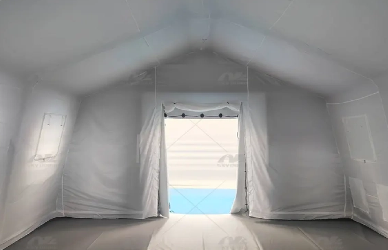
Medical tents also need to comply with environmental health and safety standards to ensure that they provide a safe environment for patients and medical personnel.
In emergency settings, proper waste disposal is critical to prevent environmental contamination and public health risks. Medical tents must follow local environmental regulations for handling medical waste, biohazards, and general waste. Systems must be in place for the safe disposal of contaminated items, such as needles, dressings, and other medical supplies.
Compliance with water quality and air quality standards is equally important. The water supply must be safe and clean, especially when providing care to patients who may already be vulnerable due to dehydration or other medical conditions. Adequate ventilation ensures that medical staff can work in a healthy environment, reducing the risk of heatstroke or exhaustion during long shifts.
Environmental Requirement | Purpose | Compliance Details |
Waste Disposal Systems | Safe handling and disposal of waste | Separate disposal bins, biohazard disposal protocols |
Water Supply | Ensuring safe, clean water for medical use | Adherence to local water quality regulations |
Air Quality and Ventilation | Maintaining a healthy, breathable environment | Proper ventilation systems, monitoring of air quality |
Ensuring that medical tents comply with the above standards requires regular inspections, proper training for staff, and adherence to updated regulations.
Medical tents should undergo regular inspections to confirm that they meet compliance standards for safety and healthcare. These inspections should be conducted by certified professionals to ensure that the tents are fit for use in an emergency or healthcare setting. Compliance certifications should be updated regularly, especially if the tents are used in different geographic regions or under varying conditions.
It’s also essential to train medical staff and volunteers to follow compliance standards for patient care and safety. Regular drills, review of emergency procedures, and understanding of the regulatory requirements are necessary for maintaining high standards of care.
Compliance standards are subject to change, so it’s important for medical teams to stay updated on the latest regulations and best practices. By working closely with regulatory bodies, organizations can ensure that their medical tents remain compliant and safe for use in any emergency situation.
Fire safety is critical for medical tents because they often operate in emergency settings with high volumes of people and medical equipment. In such environments, a fire could escalate quickly and compromise the safety of both patients and healthcare workers. Complying with fire safety standards like NFPA 701 ensures that the tent materials are flame-resistant, reducing the risk of fire spreading. Additionally, these standards address structural features like emergency exits, fire alarms, and ventilation, all of which contribute to safe evacuation in case of an emergency.
Inspections and certifications ensure that medical tents meet the required safety and healthcare standards. Regular inspections validate that the tent remains safe, functional, and compliant with regulatory standards such as fire safety, sanitation, and healthcare provisions. Certification acts as a guarantee that the tent has been tested and approved for use in critical care or emergency situations, assuring both the medical team and patients that it is fit for purpose.
Environmental regulations govern aspects such as waste disposal, water quality, and air quality within medical tents, ensuring a safe and hygienic environment. Compliance with these standards helps prevent contamination, infection spread, and environmental hazards that could compromise the care provided to patients. Regulations related to the sustainability of materials used in medical tents also address concerns such as waste management and the environmental impact of temporary medical structures.
Medical tents must comply with EMS guidelines for triage, patient treatment, and medical equipment to ensure rapid response during emergencies. This includes having the necessary life-saving equipment, sufficient space for medical teams to operate efficiently, and appropriate protocols for patient care and transfer. Compliance ensures that the medical tents meet the minimum standards for patient management, helping to deliver quality care and improving outcomes in emergency situations.
Compliance with healthcare, emergency, fire safety, and environmental standards is essential to ensure that medical tents provide safe and effective care in both emergency and healthcare settings. These standards are designed to safeguard the well-being of patients and healthcare workers while ensuring that medical tents can support timely, high-quality treatment. Adhering to these regulations guarantees that medical tents are capable of withstanding the challenges posed by different environments, from disaster zones to mass casualty events. Sky Dome Co., Ltd. offers medical tents that meet the highest standards of compliance, ensuring that they are equipped to handle a variety of healthcare and emergency scenarios. By choosing compliant tents from trusted providers like Sky Dome, organizations can be confident in their ability to deliver the best possible care in even the most challenging conditions, knowing that safety, functionality, and quality are always at the forefront.


