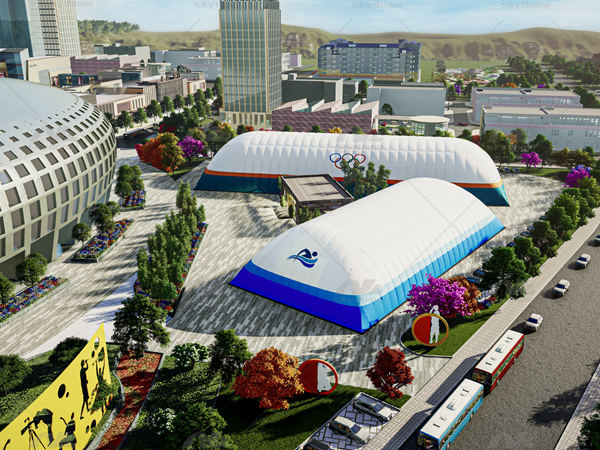
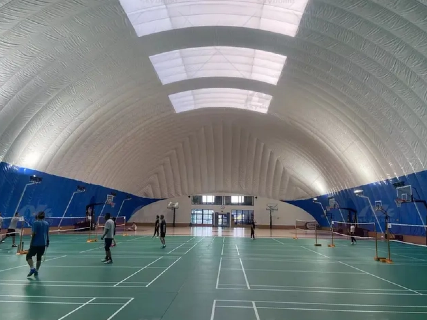
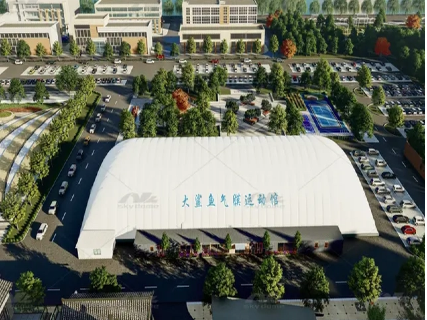
Air domes, also known as inflatable domes or tension membrane structures, have become increasingly popular in recent years as versatile, cost-effective, and eco-friendly alternatives to traditional construction. These innovative structures are widely used for sports facilities, warehouses, temporary event venues, agricultural storage, and even emergency shelters. While their impressive size and functionality often capture attention, a key question arises: what are air domes made of?
In recent years, air dome structures have emerged as an innovative solution for creating large, versatile indoor spaces. Unlike traditional buildings made from concrete, steel, or wood, air domes use pressurized air to support a durable membrane envelope. This unique design makes them lightweight, energy-efficient, and highly adaptable for various industries. From sports facilities and event venues to industrial storage and emergency shelters, air domes are proving to be more than just an architectural trend—they are transforming how we think about enclosed spaces.
Table tennis, known for its fast-paced action and precision, has grown immensely popular worldwide. Whether played casually in backyards or competitively in clubs, the sport offers players of all ages and skill levels a fun and engaging way to stay active. However, like many outdoor sports, table tennis enthusiasts often face the challenge of weather conditions limiting playtime, especially in regions with cold winters, heavy rains, or strong winds.
Table tennis is a fast-paced, precision sport that demands agility, concentration, and consistency. Whether for professional athletes, clubs, or recreational players, having the right environment can make a significant difference in performance and training quality. Increasingly, table tennis domes are becoming popular as dedicated, controlled environments that offer numerous benefits over traditional indoor or outdoor settings.
Table tennis, a sport beloved worldwide for its speed, precision, and agility, has seen remarkable growth both recreationally and competitively. As the game evolves, so too does the infrastructure supporting players, coaches, and organizers. Among the latest innovations making a significant impact are Table Tennis Domes — specialized indoor facilities designed to optimize the environment for training and tournaments alike. These domes not only offer practical benefits but also elevate the overall experience for everyone involved.
In recent years, table tennis has surged in popularity across communities, schools, and sports clubs worldwide. As the sport gains more attention for its accessibility, health benefits, and social engagement, many organizations are looking for innovative ways to accommodate growing interest. One such innovation is the table tennis dome — a dedicated, purpose-built structure designed specifically for playing and enjoying table tennis, regardless of weather or other external factors.