
T: +86-137-0128-0809
E: sales@skyairdome.com
E: sales@skyairdome.com
UNIT 1406B, 14/F, THE BELGIAN BANK BUILDING, NOS. 721 - 725 NATHAN ROAD, KOWLOON, HONG KONG

Views: 0 Author: Site Editor Publish Time: 2026-04-22 Origin: Site


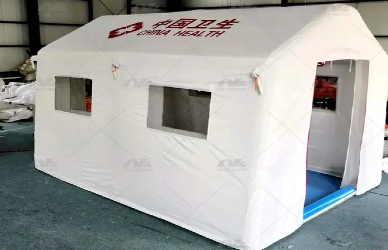
In disaster relief operations, medical tents must be equipped to withstand extreme weather conditions, as they play a critical role in providing immediate care to affected individuals. Waterproof and wind-resistant features are essential to ensure that these tents remain functional and safe in the face of heavy rainfall, strong winds, or even storms. Waterproofing prevents water from infiltrating the tent, which could damage medical supplies or equipment and compromise the safety of patients and healthcare workers. Wind resistance is equally important, as it ensures the stability of the structure, preventing it from being blown away or damaged by high winds. These features are vital in maintaining a secure and controlled environment, allowing medical teams to provide uninterrupted care, regardless of the weather conditions outside. Properly constructed tents help safeguard patient health, ensuring both safety and operational efficiency during critical relief efforts.
The fabric material used for medical tents plays a critical role in their weather resistance and overall durability. Common materials include PVC (Polyvinyl Chloride) and PVDF (Polyvinylidene Fluoride), both of which are known for their ability to withstand harsh weather conditions. PVC is highly durable, offering waterproofing and abrasion resistance, while PVDF provides excellent UV resistance, which is crucial for protecting the fabric from sun damage during prolonged use. These materials ensure the tent remains intact and functional, even in extreme weather. In addition to water resistance, the fabric must also have abrasion resistance to withstand wear and tear from wind, rain, and the movement of personnel or equipment.
A reinforced frame is essential for ensuring the stability and wind resistance of a medical tent. The frame structure must be strong enough to withstand strong winds, often found in disaster areas, without collapsing. Steel and high-strength alloys like aluminum are commonly used for the frame, as they provide both durability and flexibility. Steel offers superior strength and resistance to bending under pressure, while aluminum is lightweight and resistant to corrosion, making it ideal for tents that may need to be relocated or stored in harsh conditions. The frame must be designed to distribute wind pressure evenly, ensuring the tent maintains its integrity under extreme conditions.
Proper seam and joint sealing is critical to ensuring the waterproof performance of a medical tent. Seams are often the most vulnerable areas where water can seep in during heavy rainfall. To prevent leaks, taped seams, welded seams, and heat-sealed joints are commonly used. Taped seams involve applying a waterproof tape over the stitched areas, providing an extra layer of protection. Welded seams are created by using heat to fuse the fabric together, eliminating the need for stitches that might allow water to enter. These sealing methods ensure that the tent remains dry and functional even during wet conditions, contributing to the safety and comfort of patients and staff.
Reinforced anchor points and guy lines are essential for securing the tent against strong winds. Anchor points are heavy-duty stakes or fasteners that secure the tent to the ground, preventing it from being blown away or displaced by high winds. Proper installation of guy lines—ropes that extend from the tent to anchor points—provides additional support and stability, allowing the tent to withstand increased wind pressure. The tension in the guy lines should be adjusted to ensure the tent remains taut and secure, further reinforcing the structure’s ability to resist external forces.
In humid or rainy conditions, maintaining proper ventilation is vital to prevent moisture buildup inside the medical tent. Stale, moist air can contribute to the growth of mold and mildew, compromising the health of both patients and staff. To ensure adequate airflow, tents should include roof vents, side mesh panels, or exhaust systems that allow air to circulate and moisture to escape. Moisture control systems, such as dehumidifiers or absorbent flooring, can also be incorporated to further prevent mold growth and maintain a clean, dry environment inside the tent. By addressing these factors, medical tents can remain safe and effective for prolonged use in challenging environmental conditions.
Feature | Description | Benefits | Common Materials Used |
Waterproof Fabric | Durable, water-resistant materials like PVC or PVDF. | Prevents water infiltration during rainstorms. | PVC, PVDF, TPU |
Reinforced Frame | Strong structural support, often steel or alloy-based. | Ensures stability in high winds and heavy storms. | Steel, Aluminum, Galvanized Steel |
Seam Sealing | Waterproof joints and seams, often taped or welded. | Prevents leakage and increases durability. | Taped seams, Welded seams |
Anchor Points & Guy Lines | Secure attachment points for ropes and stakes. | Improves wind resistance and prevents shifting. | Heavy-duty steel stakes, Ropes |
Ventilation | Airflow openings like roof vents or side panels. | Regulates temperature and prevents moisture buildup. | Mesh, PVC with vents |
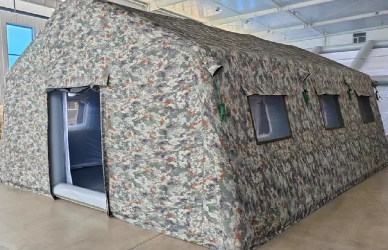
When selecting a medical tent, it's essential to account for the local climate conditions in which it will be deployed. Different weather patterns can drastically affect the tent's performance and suitability. For tropical storms or humid, rainy environments, you'll need a tent made from waterproof materials with excellent ventilation and moisture control to prevent mold or mildew buildup. In contrast, for cold, windy environments, look for tents with reinforced frames and insulated fabrics to prevent heat loss and ensure the structure can withstand harsh winds. Additionally, consider whether the tent will need to endure snowfall or extreme temperatures, which would require extra insulation and weatherproofing features. Understanding the climate will help ensure that the tent can provide the required protection and functionality under specific environmental conditions.
Choosing the right tent size is critical to ensure that there is enough space to accommodate the number of patients and medical operations needed. A larger tent is necessary if you're treating high volumes of patients or setting up multiple medical stations (e.g., triage, patient care, pharmacy). The size of the tent should also be based on the available space at the site, taking into account both the number of beds or treatment areas required and additional space for movement, equipment, and healthcare personnel. Ensure that the tent provides enough room for emergency medical equipment, staff, and storage of medical supplies. Overcrowding can lead to inefficient medical operations and compromised patient care, so the capacity and layout of the tent must be carefully planned to ensure smooth workflow and patient safety.
Waterproof fabric prevents water from infiltrating the tent, ensuring that medical equipment and patient care areas stay dry during storms or heavy rain. This is essential for protecting sensitive medical equipment and ensuring a hygienic, safe environment for both patients and staff.
Reinforced frames provide structural support, ensuring the tent can withstand high winds and remain stable, preventing damage during adverse weather. A strong frame also ensures that the tent does not collapse, maintaining a secure environment for emergency medical care in challenging conditions.
Anchor points and guy lines secure the tent to the ground, enhancing wind resistance and preventing the tent from shifting or collapsing during storms. Proper installation of these features ensures the tent can endure strong winds and remain operational throughout the disaster relief operation.
Install roof vents and side mesh panels to promote air circulation, reducing humidity and preventing mold or mildew buildup inside the tent. Proper ventilation also helps maintain a comfortable temperature for medical staff and patients, ensuring a safer, healthier environment during extended use.
When selecting waterproof and wind-resistant medical tents, it is crucial to prioritize features such as high-quality fabric materials (like PVC or PVDF), reinforced frame structures, proper seam sealing, and reliable ventilation systems. These features ensure the tent can withstand harsh weather conditions, protect medical equipment, and provide a safe environment for both patients and healthcare workers. Additionally, anchor points and guy lines are essential to secure the tent during strong winds, while proper moisture control is vital to prevent mold growth in humid conditions. For disaster relief operations, selecting the right tent based on climate conditions and the required tent size and capacity is equally important to ensure both comfort and functionality.
Sky Dome Co., Ltd. provides high-quality medical tents designed to meet these needs, ensuring durability and safety in even the most challenging environments. By choosing tents built with reinforced materials and appropriate design features, you can maximize the longevity and effectiveness of your medical tents, ensuring they are ready for use in disaster situations when they are needed most. Regular maintenance, proper setup, and timely breakdown are also key to preserving the tent’s integrity for future operations, making them an invaluable asset for emergency relief teams.


